Oh the things we find in our drafts folders. About a year ago, I was tagged by the lovely Bonnie J. James, Bonnie gave some interesting questions, and I was delighted to answer them, but then domestic tornado chains ripped through and the draft got buried. Since I am not currently at RWA Nationals, where I can blabber about the writing process with any random person within my line of sight, I can do the next best thing and post my answers here.
1) What am I working on/writing right now?
Totally different answers on this question, one year later, which is as it should be. Currently, I am working on three projects.
For Her Last First Kiss, K.A. Mitchell suggested the tag line, “My Best Friend’s Mistress,” which really does fit. When a neglected and misunderstood second son of the aristocracy with a talent for pleasing older women finds his soulmate in a practical minded mistress who is more than she seems, he must choose between the love of a lifetime and the respect of his only true friend. This Georgian historical is taking me on quite the wild ride, and I think I like it.
I am co-writing a novella with longtime critique partner and perpetual conference roommate, Melva Michaelian, which I can best describe as historical romance adjacent. It’s been a long time since I’ve collaborated with another writer, but it’s a whole lot of fun. Details coming soon.
Third project is something I’ve been debating for quite some time: an ebook version of my From Fan Fiction to Fantastic Fiction and On Beyond Fanfic workshops. Early days on that one, but I love presenting the workshop, both online and in person, so this feels like a natural extension
2) What have I learned about my writing process over the years?
Oh so very much, and it keeps on going. Most importantly, that it’s going to change from time to time, and that’s okay. I’ve learned that there are some constants, though, and that’s okay, too. I compose best in longhand. Sitting alone in an empty room is not for me. I’m a talker, so if I’m stuck, blabbering about the stuckness to some obliging soul, writer or not, will usually loosen the clog. Focusing on hitting a word count is sure to give me a muscle cramp, but if I focus on telling the story, hey, look at all those pages with squiggly lines on them. I’m learning to trust my own voice, and that writing from the heart works a lot better for me than writing from the head. I’m more of a puzzler than plotter or pantser, though I do like to puzzle my way to a detailed outline that turns into a first draft. I go scene by scene, and if one doesn’t flow into the next one, time to go back and figure out where somebody made a wrong turn. Finding and correcting that wrong turn can be the difference between a finished novel and a partial one.
I love having sensory input when I write, so I usually have music playing, or sometimes white noise, and I like to make Pinterest boards for various projects so I can refer to visuals. I’ve found that it works best when I keep the board private, so that’s a new thing I’ve learned as well. Mixing images and videos that all relate to the story at hand gives me a boost and keeps things fresh.
Now that I am moving files over to a new computer, I’m pretty much one hundred percent converted from Word to Scrivener, which I once thought I would never understand.
Ask me again next week, and there may be a different answer. Change is a constant.
3) What is my writing schedule like?
I like to write uninterrupted by domestic tornadoes, so I like to get out of the house for at least two hours a day for concentrated writing time, usually in early afternoon, at a local coffee house or park. I’m a morning person, so getting up before the rest of the household works very well, but if I’m the last one up, I can squeeze in some time there, too. I’m a writing nomad; in a given day, I may work in my office, at the kitchen counter, in the living room, park, coffee house, whatever feels right for the day.
4) What is my favorite book about writing?
The Care and Feeding of the Girls in the Basement by Barbara Samuel. I cannot say enough good things about this book. Warm, wise and challenging, the prolific Barbara Samuel asks us to examine the facets of our individual voices and make sure the girls in the basement have what they need to keep sending up the great story stuff. This book is equally good for a pick-me-up or swift kick in the pants. I love, love, love her idea of Sunday Books, secret projects for our own pleasure, and found that extremely helpful.
For those keeping up with my Not at Nationals whines, here’s day number three:
In case you missed day two, it’s here:
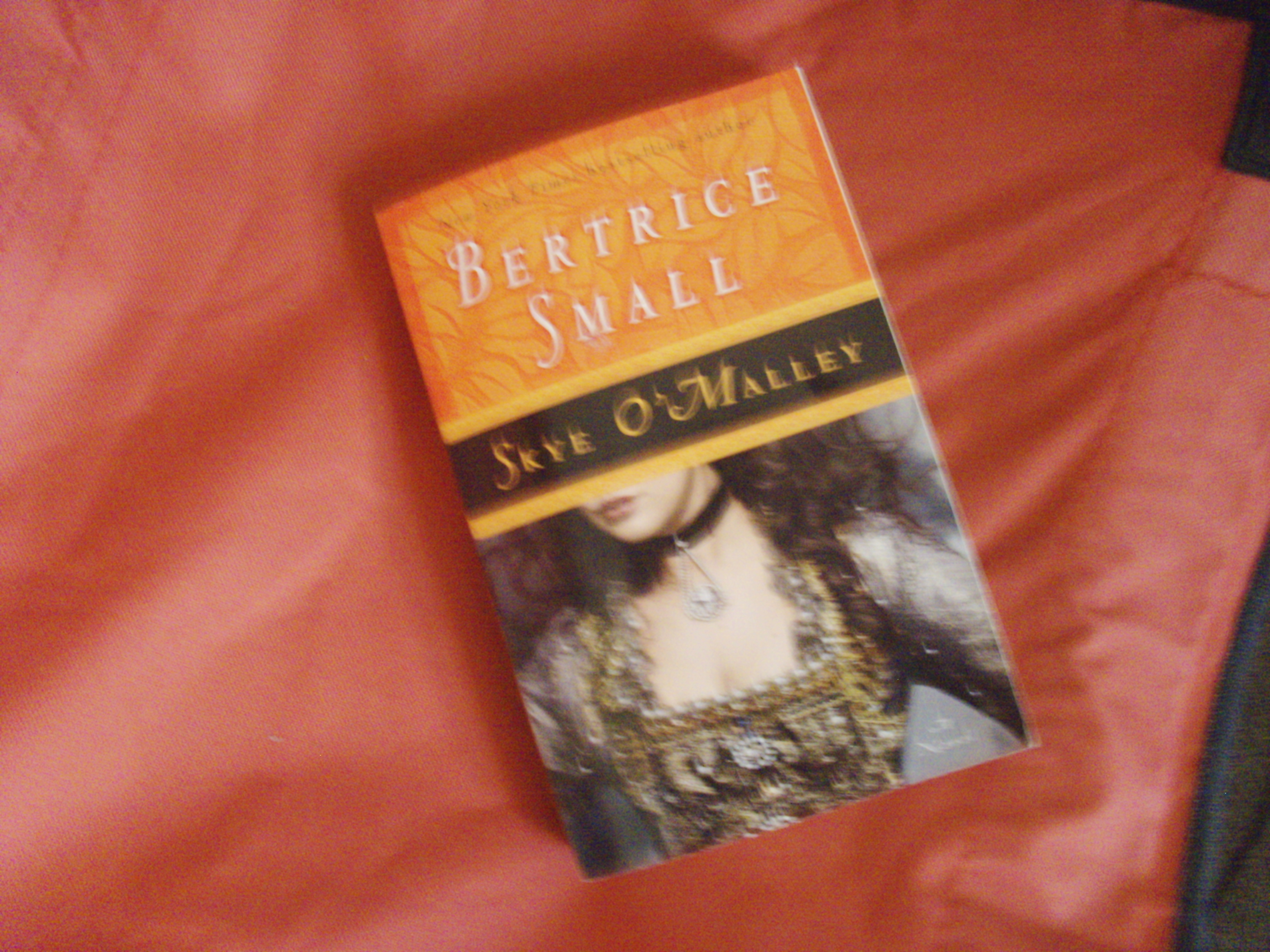
Putting books I already own on my own chair doesn’t quite have the same effect as finding a new book on my seat at conference meals, but on the other hand, it might be time for a reread….
 Typing With Wet Nails